
Relics of the Basement Era: The Collectors Keeping Grime’s DVD Culture Alive
Picture Credit: @thegrimerapcritic
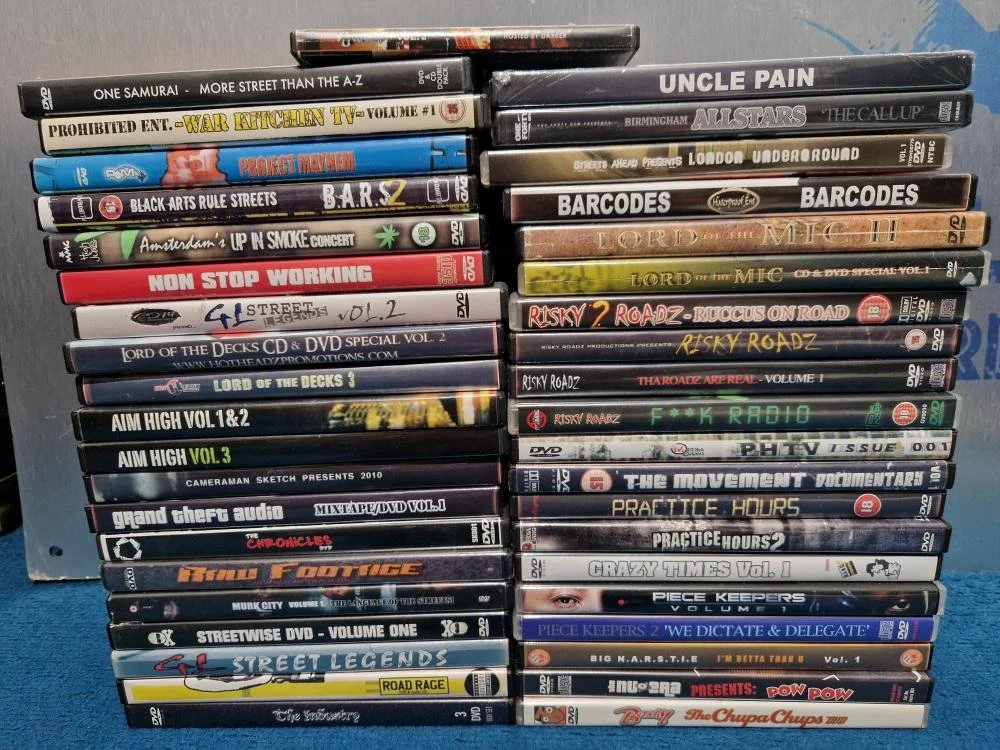
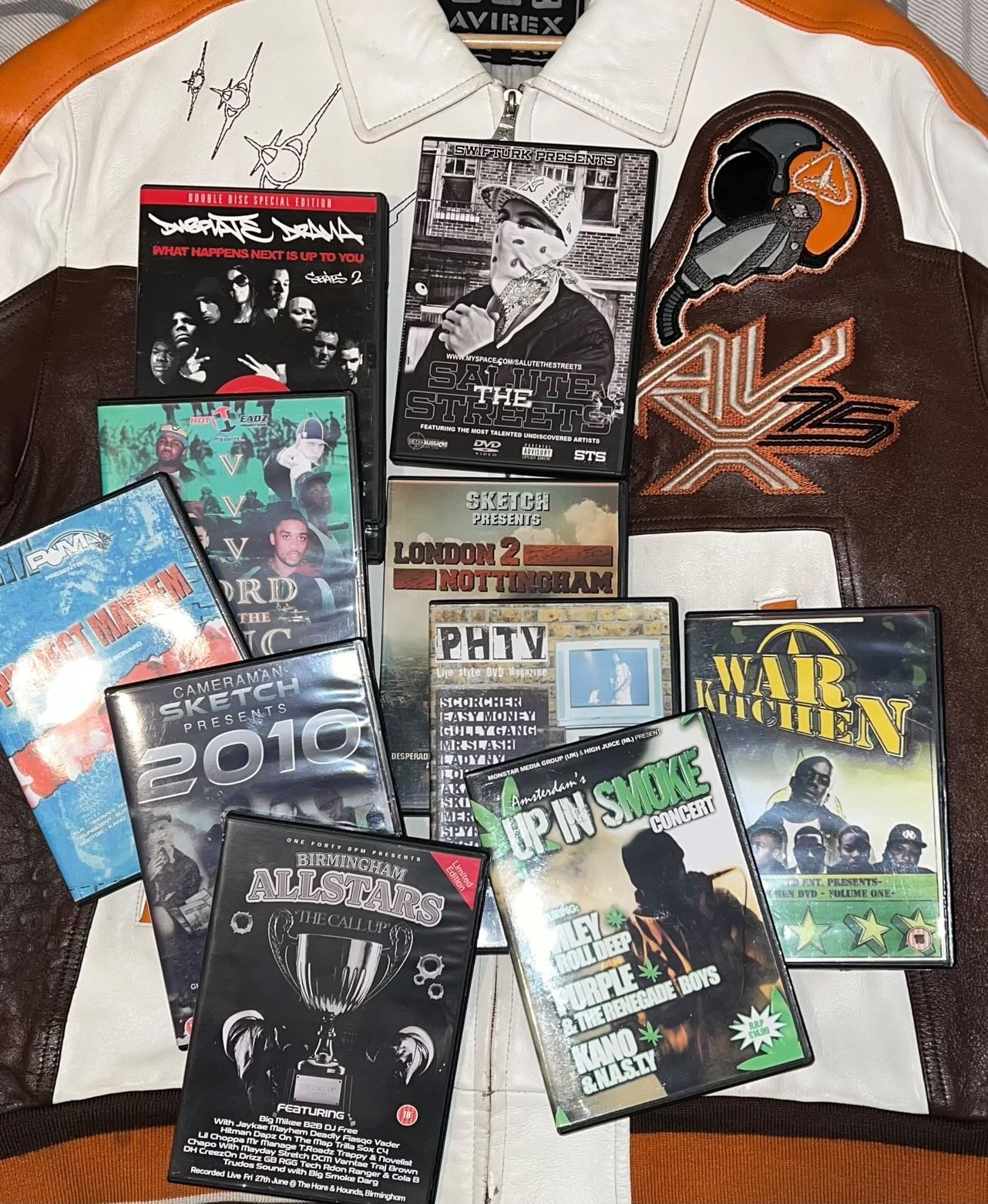
In the early days of grime, the scene operated under a veil of secrecy. Pirate radio sets, youth clubs, street corners, and basement raves were spaces where grime thrived. The scene was raw, underground, and fiercely protective of its identity. Documentation, especially on camera, was scarce. Grime wasn’t yet a household name, and those involved in it were wary of outsiders. As collector @0121mainliners recalls, "My dad bought Run the Road Volume 2. Must have been the end of 2005 and I was around 10 years old. At that time I’d only recently begun to understand Grime and was able to use the internet to search for videos. Older kids at the youth centre showed us lots too, but mostly you didn’t know what people looked like or what their area was like... so it was amazing to get my hands on a DVD like that at that age."
Picture Credit: @solomansarchive
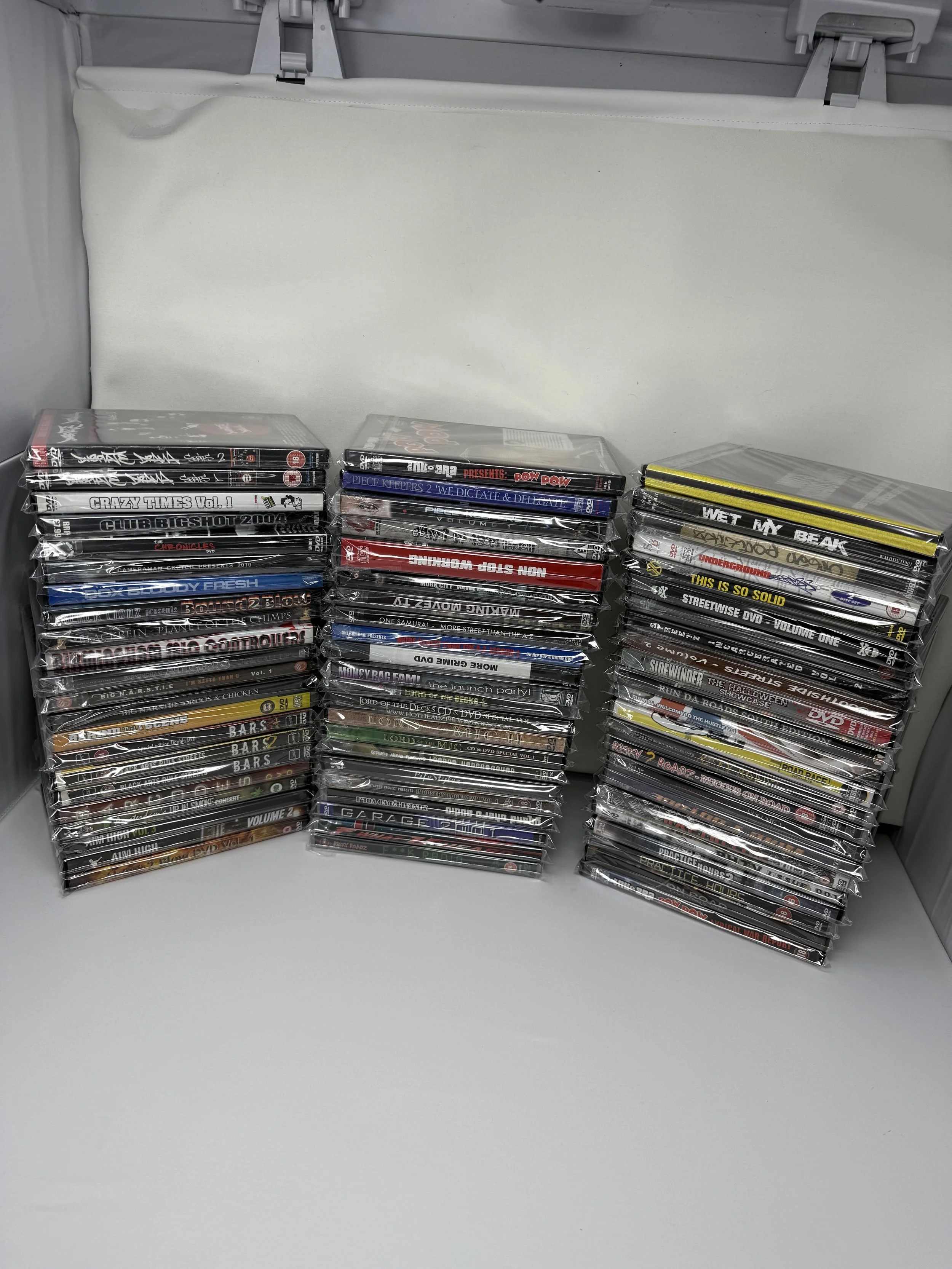
The arrival of grime DVDs marked a seismic shift. Suddenly, the scene wasn’t just something heard in dimly lit rooms; it was something you could hold in your hands, watch, and experience. For many, grime DVDs were more than just a collection of freestyles and battles. They were a window into the soul of the genre. As collector @solomansarchive reflects, "Grime DVDs are a real timestamp, a snapshot of a moment in music that we’ll probably never see again. Back then, it meant something to hold it in your hands."
For many, grime DVDs were more than just a collection of freestyles and battles. They were a window into the soul of a marginalised community and sound. For collector @onefortybpm, that first encounter came through one of the scene’s most iconic titles: “My first DVD was Risky Roadz. It was a bit nuts to see after growing up listening to a lot of these artists, it was almost a window you could look through to feel more connected to the scene”.
Indeed, these DVDs weren’t polished. Their transitions and fonts were borrowed from Windows Movie Maker, the shots shaky, the audio grainy. But that was the beauty of it. They were DIY at their core, capturing the scene as it was, without pre-tense. In an era before Instagram and self-branding, grime DVDs became the scene’s self-made media. Artists sent for rivals, promoted their crews, or just dropped raw 16s straight to camera, says @solomansarchive. "You’d watch them until the disc skipped." And it wasn’t just about the music. These DVDs showcased who these people were — their personalities, their crew dynamics, and their everyday lives.
Picture Credit: @0121mainliners
“There was something special about owning a physical copy, the cover art, the disc, the sense of investment. You’d rinse it because it was yours” - @solomansarchive
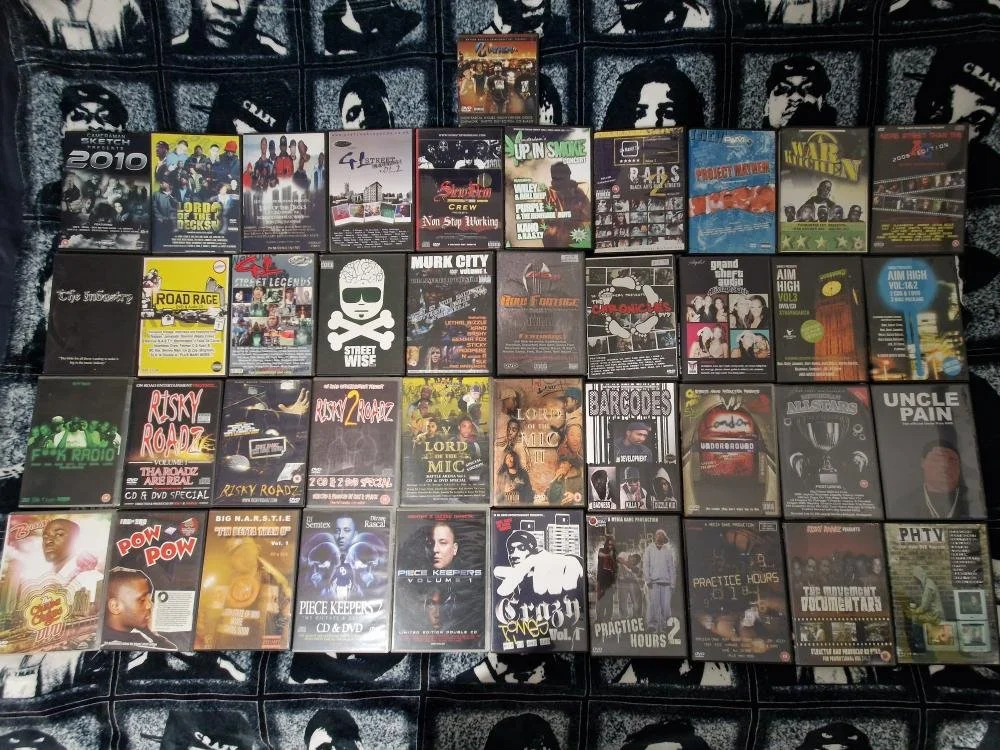
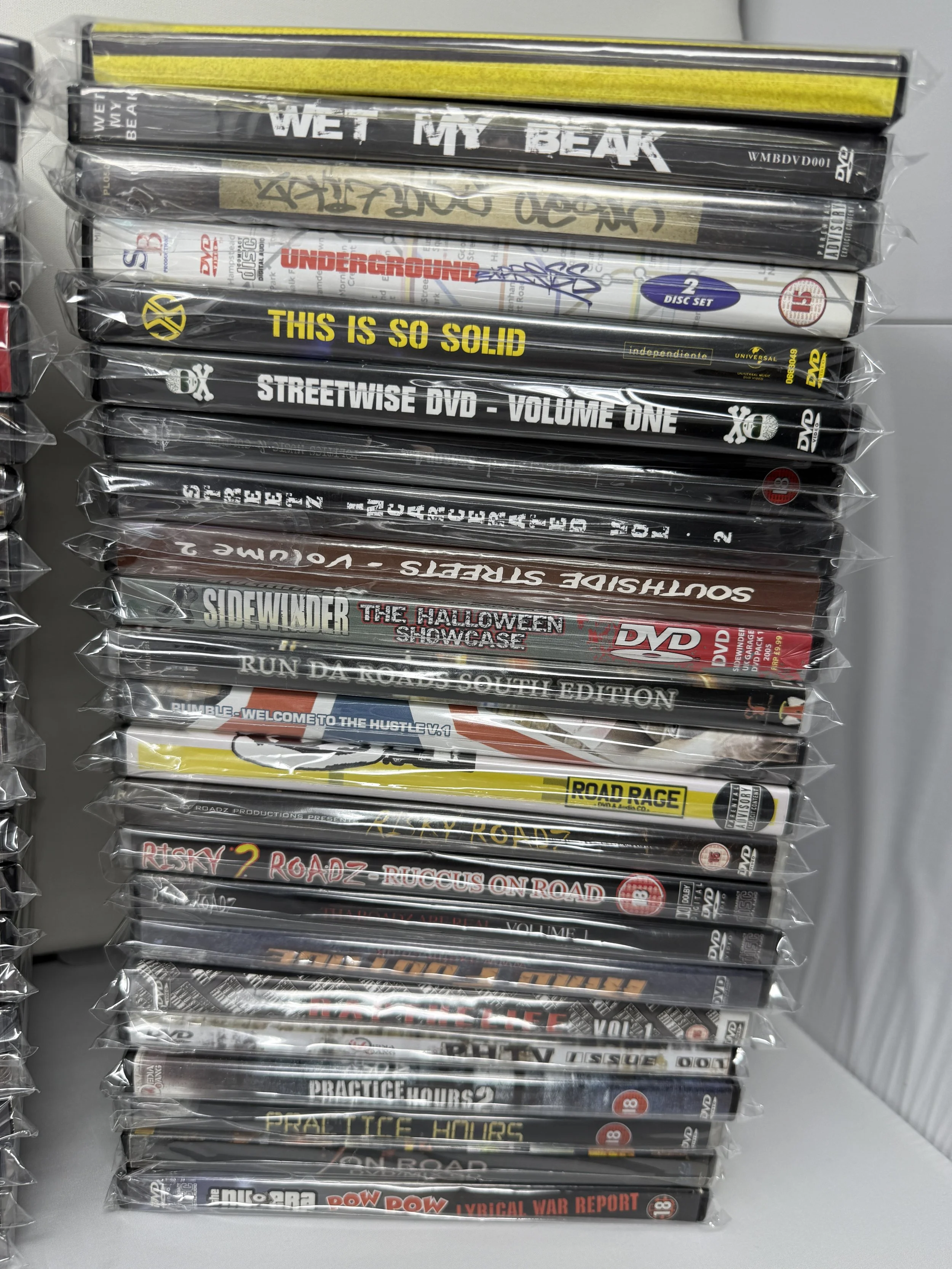
The collectors reflect on the personal significance these DVDs held. @thegrimerapcritic remembers Practice Hours as a vivid snapshot of hungry MCs striving to make a name for themselves. "It represented young hungry MCs trying to make a name for themselves but also putting a face to the names we all heard but never really saw". DVDs gave access to clashes, sets, and interviews raw, unfiltered, and immediate. @0121mainliners notes that DVDs were proof of a wider cultural landscape: "There is much more to Grime culture than is generally known and the DVDs are proof of that. It’s more than the music too, it’s footage of the environment at the time, the fashion and trends, and also an important picture of British youth culture on the verge of social media and smartphones."
Picture Credit: @solomansarchive
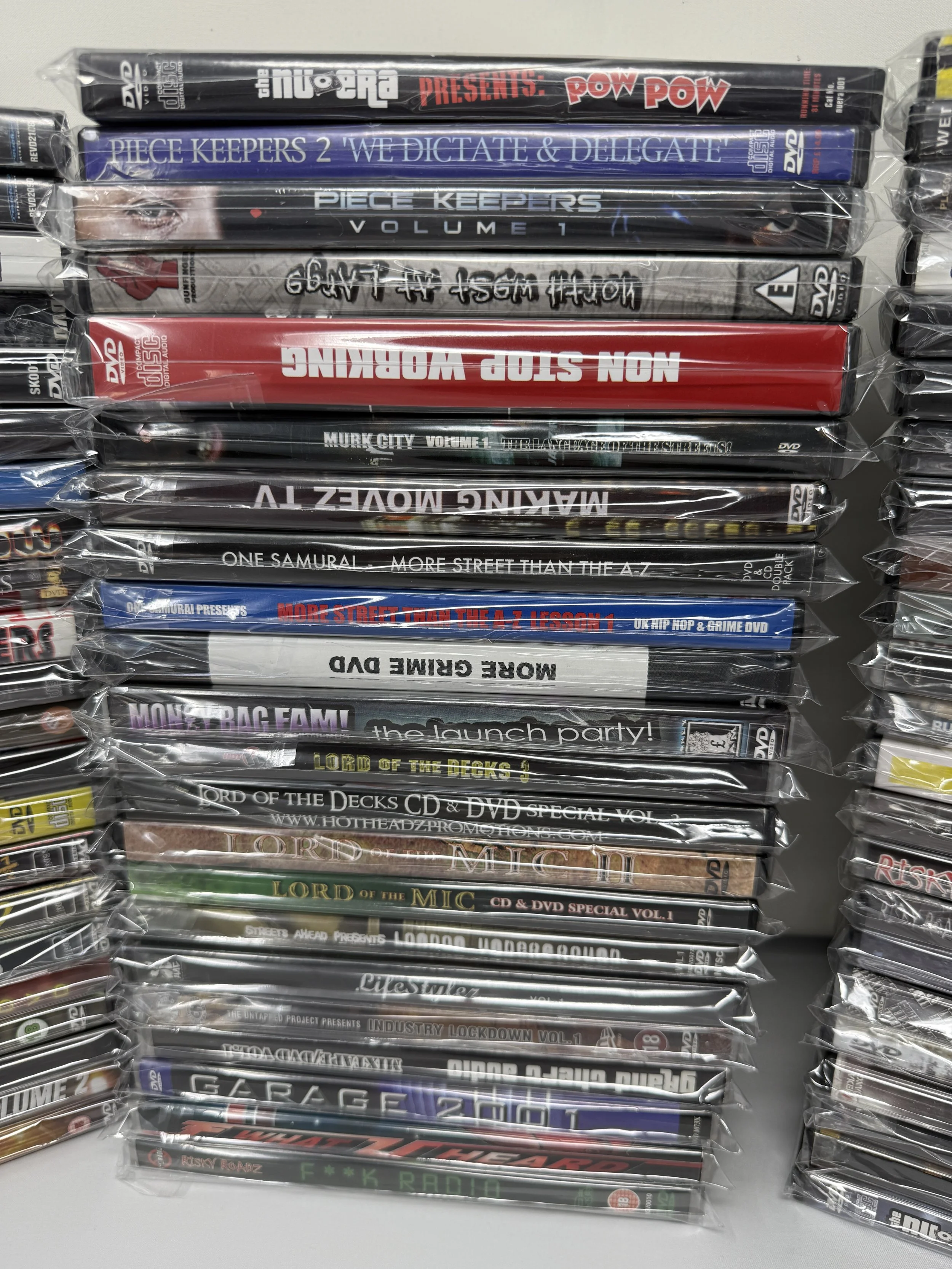
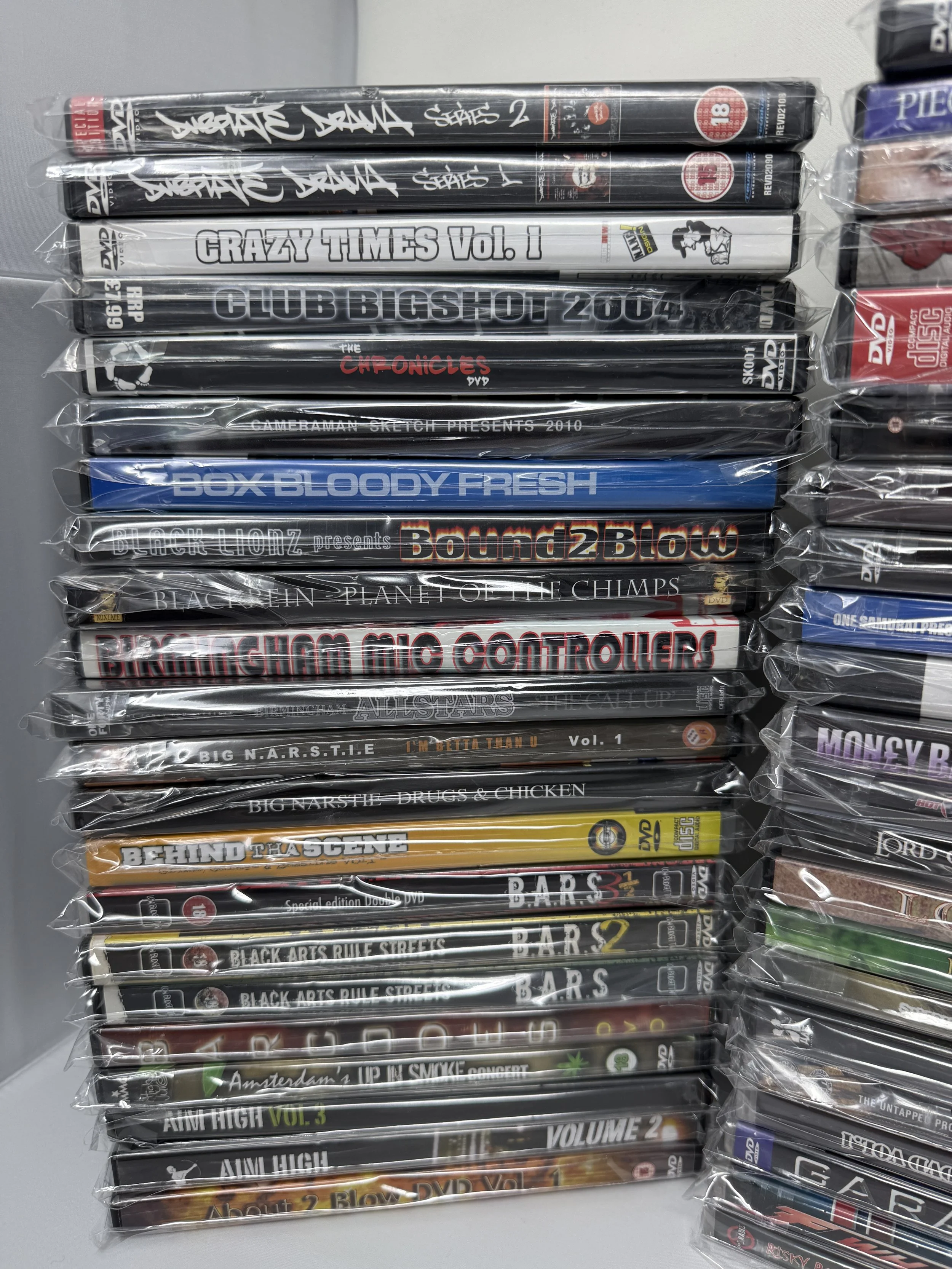
For @solomansarchive, the Sidewinder box sets were the gateway into owning physical copies: "There was something about holding it in your hands, the artwork, the discs, the DIY energy, that made it all feel real”. These box sets came with six CDs and a bonus DVD, a visual representation of the energy that could only be captured through the lens of a camera at a live event. "Grime DVDs are a snapshot of a moment in music that we’ll probably never see again."
Picture Credit: @solomansarchive
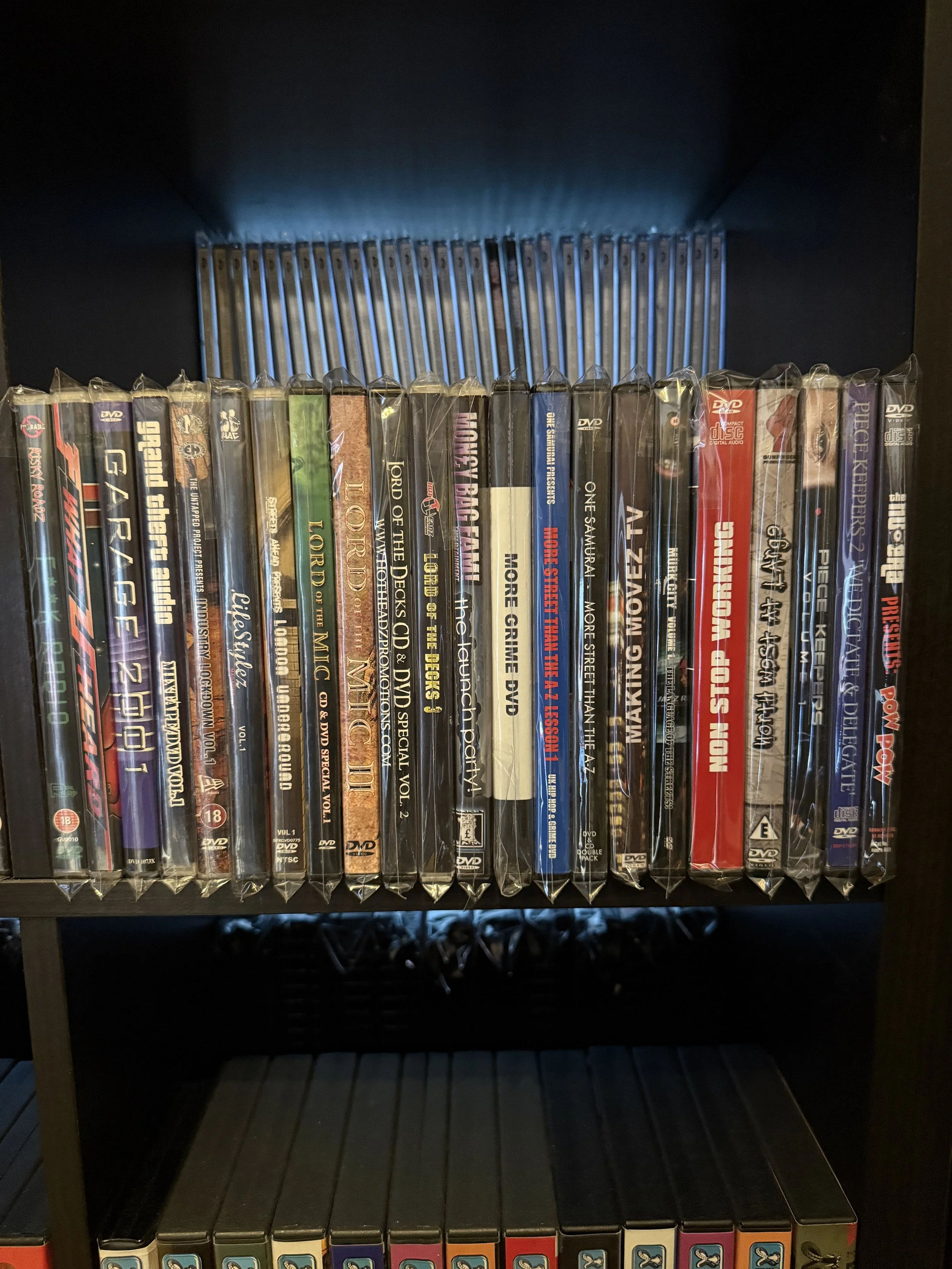
London was at the heart of the scene, but DVDs also spotlighted regional talent. @solomansarchive highlights Birmingham Mic Controllers and Midlands Roadside as "real gems that showcased just how deep the movement ran outside of London." DVDs democratised the scene in a way radio couldn’t, they captured moments that might otherwise have gone unnoticed, cementing an oral and visual history of the genre.
Picture Credit: @thegrimerapcritic
"A room full of MCs all wanting to show who’s the best, a time before they could all get played on radio, the energy is unmatched." - @thegrimerapcritic.
Iconic titles remain embedded in grime lore. Lord of the Mics, Practice Hours and Risky Roadz are consistently cited for their energy and influence within the scene "It’s hard to choose specifically which DVD best captures the energy or rawness of the era, but I’ll always go back to F**ck Radio. A room full of MCs all wanting to show who’s the best, a time before they could all get played on radio, the energy is unmatched," notes @thegrimerapcritic. Meanwhile, @0121mainliners cherishes the long, packed War Kitchen DVD, "super long, possibly like four hours or more, and it’s packed with high-level freestyles, interviews, multiple full sets, clashes, and even a football match with MCs."
Picture Credit: @solomansarchive
The DVDs also offered rare glimpses of clashes and personal moments. @solomansarchive shares footage of the early Skepta and Jammer beef, taken from Hood Heroes Volume 3, a nugget that still surprises people today. These artefact’s were more than entertainment; they were cultural documentation, archiving styles, locations, and attitudes that would define grime’s history.
Picture Credit: @solomansarchive
The enduring appeal of grime DVDs lies not just in nostalgia but in their role as archives. They preserve a pre-social media era when music was tactile, and culture was physical. They show streets, youth spaces, DIY studios, and record shops, preserving a texture and authenticity that streaming platforms can’t replicate. Collectors continue to safeguard these materials, recognising their importance.
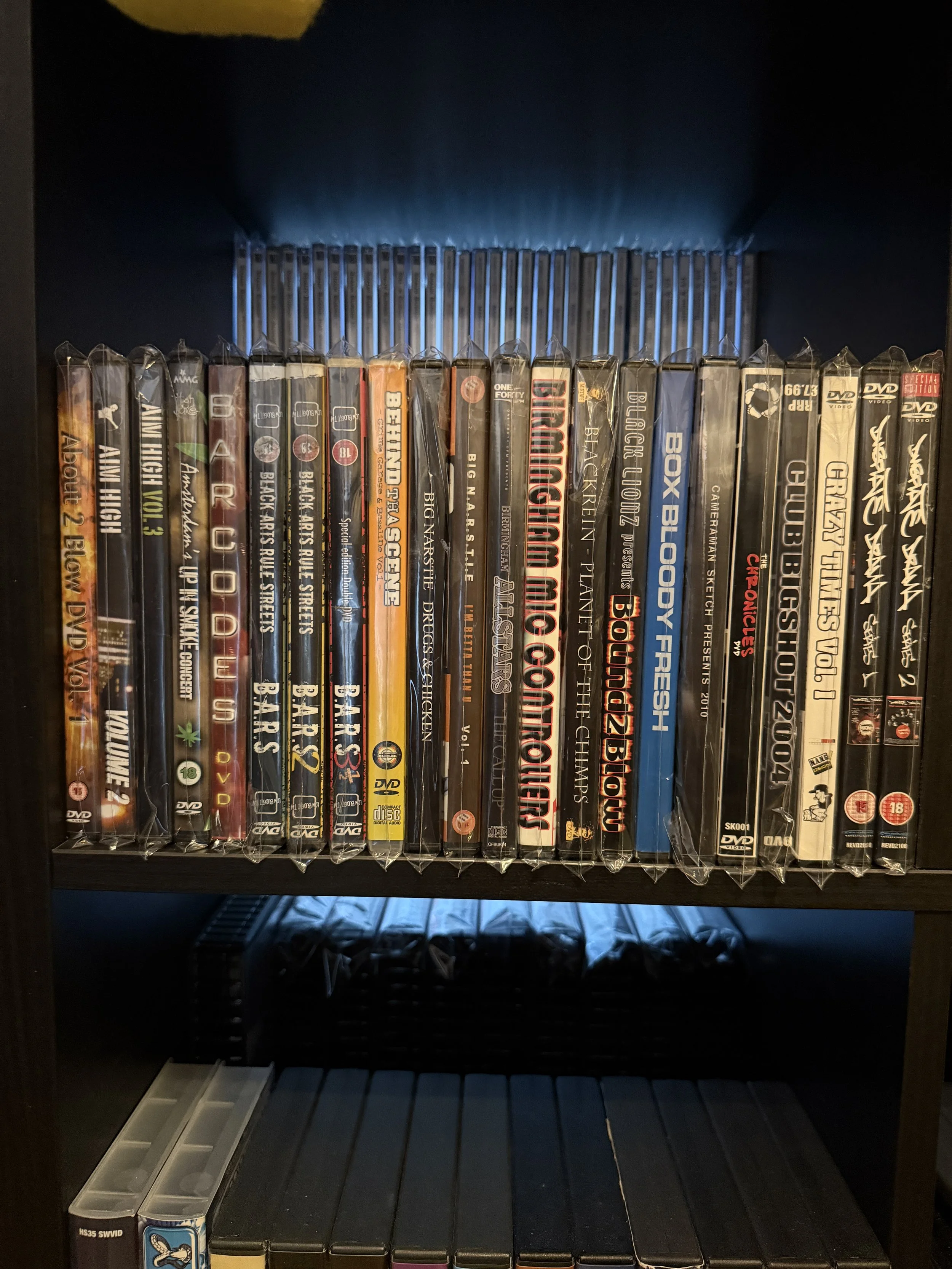
Picture Credit: @solomansarchive
Grime DVDs endure because they capture the energy, creativity, and ambition of a scene before it became mainstream, preserving moments, places, and people that might otherwise have been lost to time. As collectors continue to archive and share, the DVDs remain a tangible connection to the roots of grime, a format that brought the streets to your living room and kept the culture alive in its rawest, most personal form.
Words: Nathan Tuft