
Phebe Edwards - Interview
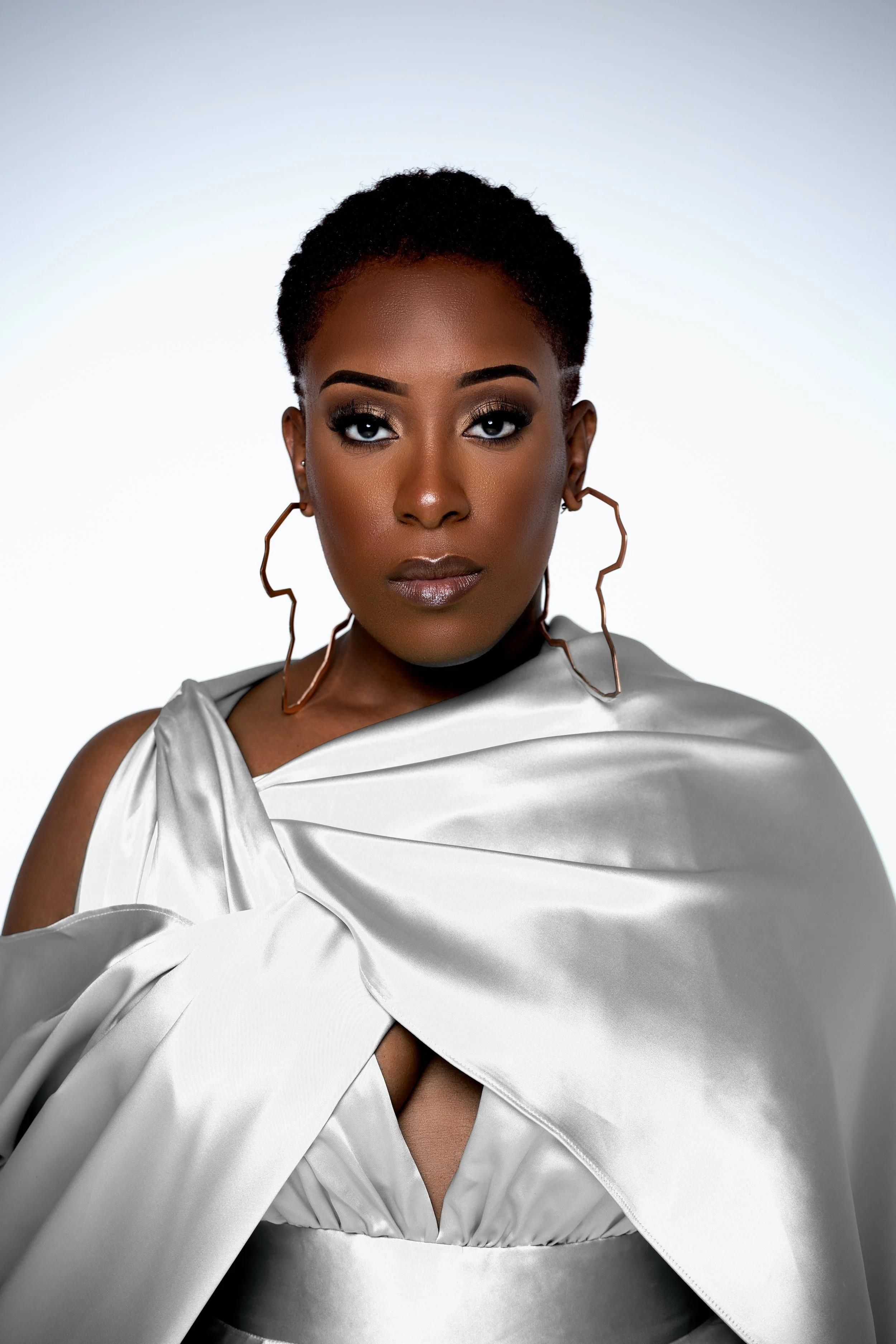
North London born vocalist Phebe Edwards is widely regarded for her gospel rooted power, effortless versatility and soaring soprano. She is a singer whose artistry has been shaped by both classical training and a lifetime immersed in soul, R&B and contemporary music. Classically trained on piano from the age of five and raised on gospel traditions, she developed a sound that blends technical precision with emotional depth.
Phebe's career spans an extensive list of collaborations and performances with artists including Adele, Macy Gray, Gabrielle, Jessie J, Stormzy, Elton John, Rod Stewart and Craig David. She has also performed a solo both with and for soul legend James Brown at the BBC Electric Proms. From international touring to standout studio recordings and televised performances, Phebe has built a reputation as a sought after vocalist, arranger and vocal coach at the highest level of the industry.
Phebe Edwards sat down with Wordplay Magazine to chat about her Ronnie Scott show:
1. Congratulations on selling out your recent Ronnie Scott’s show. It was great to see you live, and you sounded incredible. I know it wasn’t your first time performing there, but what was it like returning to such an iconic venue and playing to a sold-out audience?
It was honestly such a great feeling. Actually really surreal! Ronnie Scott’s has always been one of those venues that represents excellence, legacy and incredible musicianship. To walk out and see a full room of people who had come specifically to hear my music was so emotional.
I’ve spent a lot of my career supporting other artists, which I genuinely love, but this felt different. It felt like people connecting directly with me, my stories and my songs. By the end of the night I felt like I had achieved something I’d dreamed about for years. It was one of those moments where you stop and think, “Wow, I did it!”
2. During the show, you spoke openly about losing your mum and your nephew. It was a really moving moment and showed a lot of vulnerability. How do their memories continue to influence your music and creativity today?
Losing my mum and my nephew has forever changed me. The grief never leaves you, I’m just learning to cope with it over time. My Mum taught me resilience, faith and perseverance. Joey taught me to be brave and to take opportunities when they appear.
When I stand on stage now, I don’t just sing for myself. I carry them both with me. Some of the most meaningful songs I perform now come from allowing myself to be vulnerable and tell the truth about my experiences and their memories continue to shape not only the music I make, but the woman and artist I am today.
3. You’ve spoken before about your nephew being a big reason you applied for the role of Katherine Jackson in the Michael Jackson musical. What was that experience like, and how has playing Katherine impacted you both personally and professionally?
Playing Katherine Jackson was one of the greatest honours of my career. The role came at a time when I was navigating a lot personally, and stepping into the shoes of such a strong matriarch taught me a great deal about grace and strength. Something about Katherine reminded me of my own mum. The way she carried herself, guided and protected her children and remained a source of comfort through difficult times resonated deeply with me.
Professionally it challenged me to grow as an actress and storyteller. Personally it allowed me to connect with my own experiences of family, grief and resilience in a way I never expected.
4. You grew up singing in church. At what point did you realise music wasn’t just something you loved, but something you wanted to pursue as a career?
I can trace it back to being eight years old. There is a story I wrote about singing in church at testimony service and I remember feeling something I had never felt before. It wasn’t about attention or applause. It was a feeling of purpose and bringing light and joy to people, helping them to interpret their feelings as much as me interpreting my own. I remember thinking, even at that age, “I want to do this for the rest of my life.”
Looking back now, after theatre shows, tours and stages around the world, I still think about that little girl standing in church. The feeling hasn’t changed one bit.
5. Ronnie Scott’s is one of the most legendary music venues in the world. Are there any other iconic venues that you’d love to perform at one day?
Absolutely. The Royal Albert Hall is definitely on my list. Carnegie Hall is another huge one for me because it carries a personal connection, as I studied classical piano growing up and my mum used to say to me, “Practice, practice, practice or you won’t get to Carnegie!”
It became this place in my imagination that represented excellence and possibility. To perform there one day would feel like completing a promise to my younger self and honouring my mum at the same time. The Apollo Theater in Harlem is another dream venue because of its history and cultural significance. And if anyone reading this would like to sponsor the journey and help get the show on the road, please feel free to get in touch! lol!
6. If you could collaborate or perform with any artist who has played Ronnie Scott’s, who would it be and why?
Whitney Houston would have been one without hesitation! As a pastor’s kid who grew up in church, there are so many aspects of Whitney’s story that resonate with me. Beyond the voice, it was her ability to communicate emotion an truth. She could make you feel every word she sang. She taught me that great singing isn’t just about technique. It’s about honesty. Whitney Houston will always be at the centre of my musical DNA.
7. I know Whitney Houston is a huge inspiration for you. As Wordplay focuses on jazz, soul and hip hop, I’d love to know if any other artists within those genres have shaped you both as a person and as an artist.
Gospel was a massive part of my upbringing, so artists like The Clark Sisters, The Anointed Pace Sisters, Shirley Caesar and The Mighty Clouds of Joy formed the soundtrack of my childhood. They taught me conviction, faith, storytelling and how to sing from a place of truth.Outside of and alongside gospel, Aretha Franklin taught me about passion.
Jill Scott taught me about storytelling and vulnerability. Fantasia Burrino taught me fearlessness and emotional honesty. Beyoncé continues to inspire me through her discipline, professionalism and incredible work ethic.
The common thread between all of them is authenticity. They commit fully to what they’re saying, and that’s something I strive for every time I sing.
8. You’ve recently lent your vocals to projects with Westlife and Basement Jaxx, two very different acts with their own distinctive sounds. What have those experiences taught you as a vocalist, and are there any lessons from those collaborations that you’ve brought into your own music?
They’ve taught me versatility. One night I can be supporting one of the biggest pop groups in the world and the next I can be performing with Basement Jaxx in complete musical freedom.
The biggest lesson is understanding the assignment. Great vocalists don’t just sing well, they understand what the music needs. Every artist, every genre and every stage teaches you something new, and I’ve brought all of those lessons back into my own music.
9. When you’re creating new music, what inspires you to share personal experiences and emotions with listeners?
Because that’s what I connect with when I listen to music. The songs that stay with us are usually the ones that tell the truth. They make us feel seen. I’ve realised that the more honest I am, the more people connect.
Sometimes the things we’re most afraid to share are actually the things that create the deepest connection.
10. The industry has changed a lot over the years. What has helped you stay resilient and continue growing as an artist throughout your career?
Faith, persistence and community. I’ve had wonderful highs and difficult lows like everybody else. There have been times where things didn’t go the way I expected.
What keeps me going is remembering why I started and trusting that my journey doesn’t have to look like anybody else’s. I’ve learned to stop comparing and focus on continuing to grow.
11. What’s next for you? Are there any upcoming projects, performances or musical directions that you’re particularly excited about?
I genuinely feel like I’m entering a new chapter. For many years people have known me as the backing vocalist, the theatre performer or the vocal coach. Those are all important parts of my career, but now I’m increasingly stepping forward as Phebe Edwards the artist.
Selling out Ronnie Scott’s and being invited back so quickly felt like confirmation that people want to hear my story and connect with my music.
I’m continuing to develop my own material, grow my company, My Voice Your Voice and create opportunities that allow me to bring all parts of my career together.
Most importantly, I’m learning not to sit on my gifts anymore. Ronnie Scott’s reminded me that sometimes you have to stop waiting for permission and trust that what you have to offer is enough. So watch this space :)
Interview: Kanika Phillip