Wordplay X Evenson on All Points East
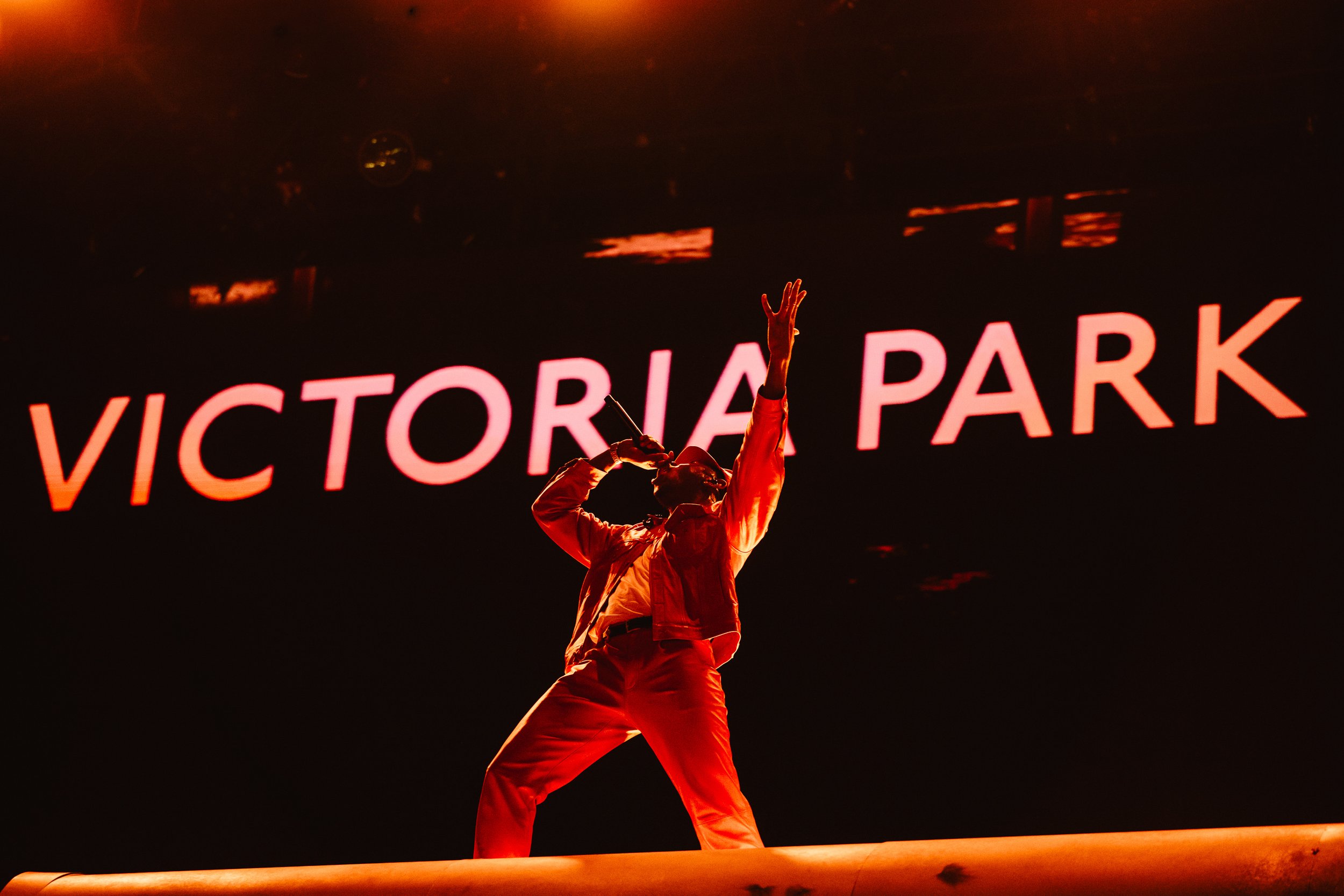
Photo credit: Khali photography
All Points East returned to London’s Victoria Park this August for the 8th time since 2018; a common feature in the seasons buzz conversations among friends groups and online communities with a programme that once again demonstrates the festival’s ability to bring together a diverse offering of genre-bending acts and big industry names in tandem with emerging artists across multiple stages. Let us not forget the running joke (pun definitely intended) of people recollecting the jog required between main stages, made even more dramatic this year with the backdrop of a dusty field on account of the perpetual sunshine of summer ‘26. Among the bills were wider community programmes, creating an event series that feels as much about discovery and shared experience as it does about the headline acts.
Audiences were treated to a mix of R&B, soul, hip-hop, indie, alternative, rock and electronic music, embodying the broad musical identity All Points East has established in London’s summer calendar. Alongside the music, American Express is among the key partners, with its on-site experience offering festival-focused activities and spaces for card-members, while other brands including Flannels, K-Way, Converse, Bumble, Magnum, Meller, Bacardi, Red Bull and White Claw contributed activations spanning fashion, music, games, hospitality and social experiences.
Wordplay attended the opening day Friday, 21st August headlined by Jorja Smith and Tems, with the day curated around an impressive R&B, soul and alternative line-up that included Nia Archives, Destin Conrad, Olympia Vitalis, Maverick Sabre, Odeal, and kwn among others. In between the ticketed shows, 24–27 August formed the free ‘In The Neighbourhood’ programme, extending the festival beyond its major headline concerts and bringing an element of local community. Covering ten calendar days in all with six ticketed music events, Wordplay also attended the 28th and 29th where Tyler the Creator took over Victoria Park across two consecutive headline dates, featuring a plethora of phenomenal artists including Rex Orange County, Vince Staples, DJ Mustard, Denzel Curry, Khamari, Syd, Clipse and YEBBA to name a few (definitely got steps in over these days I can assure you), creating a wide-ranging programme that swung attendees between hip-hop, alternative, R&B and rock, not to mention the surprise pop up of A$AP Rocky alongside Tyler on the second evening.
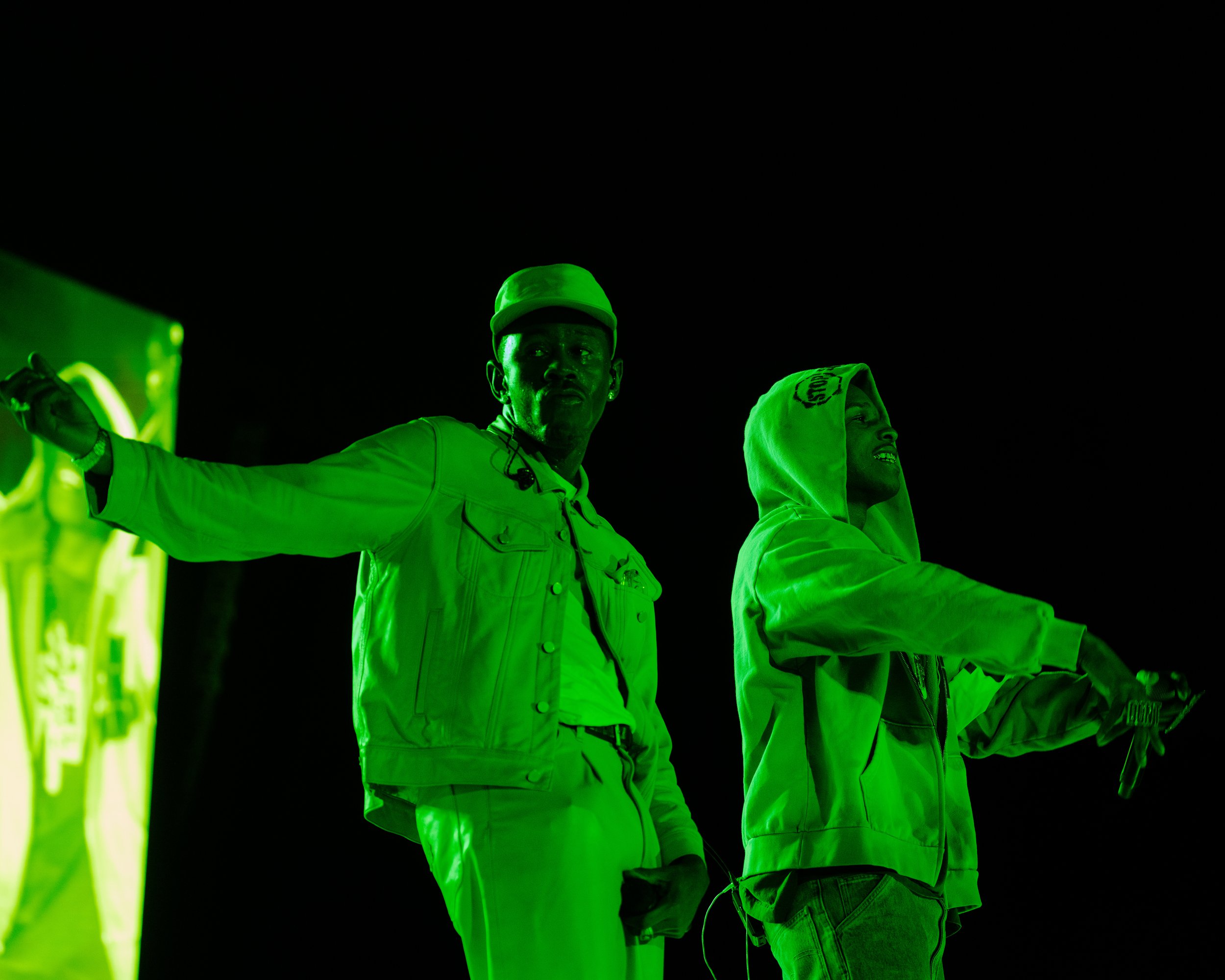
Tyler the Creator, A$AP Rocky; Photo credit: Perry Gibson
Among the culture-forward line-up we spoke to artist Evenson Andre; a singer, songwriter, producer and a hands-on multi-instrumentalist, having taught himself guitar and music production while developing his own creative identity. His music sits at the intersection of alternative pop, R&B and soul, with Evenson combining intricate melodies with introspective writing and a distinctive sound, drawing inspiration from artists including Sade and David Bowie by his own recount. With songs often exploring love, vulnerability, identity and the complexities of navigating life and relationships, his latest release, the album “Eve” continues his artistic progression, with the All Point East appearance coming at an exciting point in his career, further establishing him as an artist carving out his own space with genre-fluid flare.
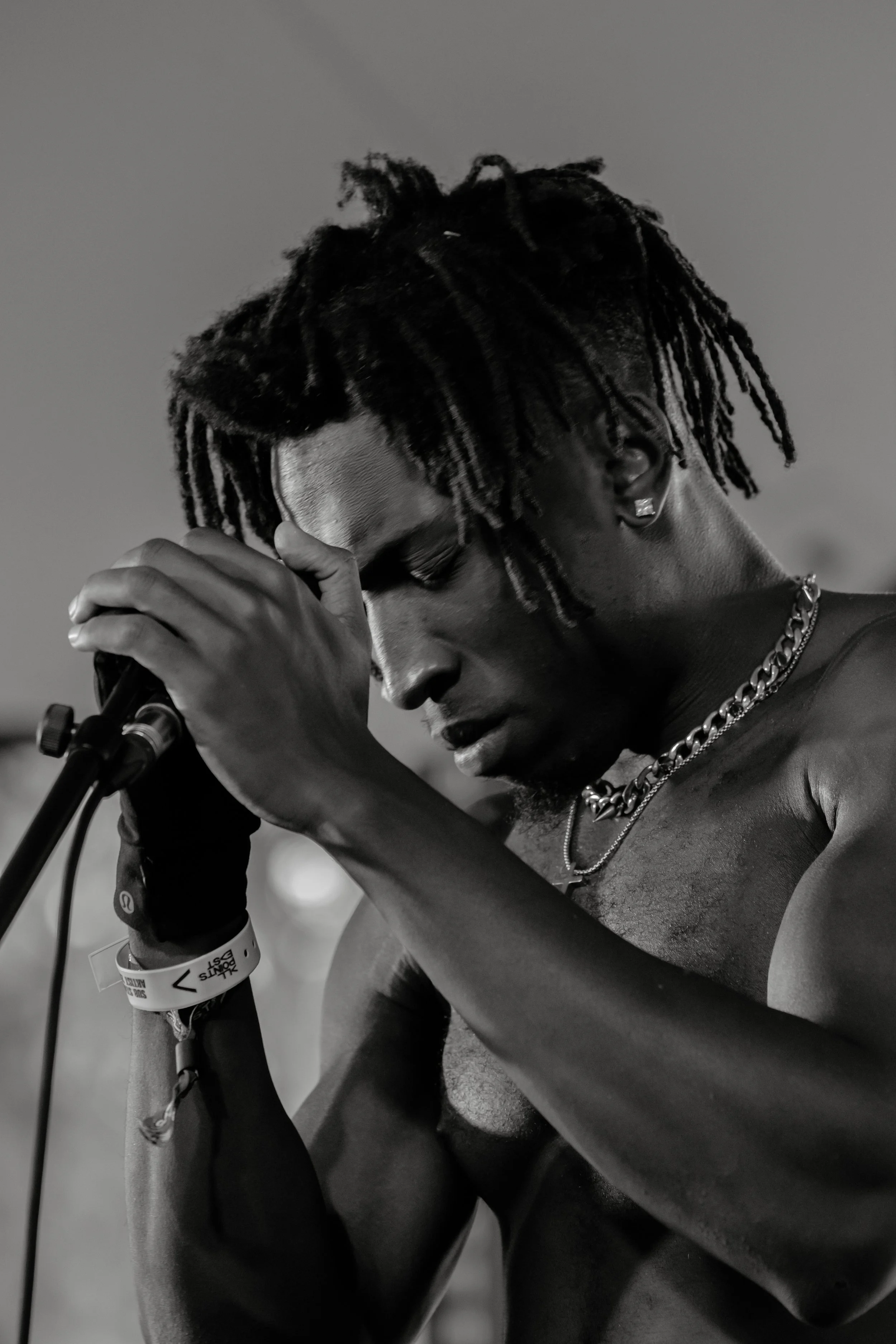
Evenson; Photo credit: Christina Demertzi
You’ve had some important UK moments over the last couple of years, from your Great Escape debut to now performing at All Points East. Coming off stage, what did this performance mean to you in terms of how far you’ve come as an artist?
This performance can’t be separated from the context of how far I’ve come as an artist. It truly felt like a culmination of everything I’ve been building toward over the years. I felt seen, appreciated, and loved. More than anything, it gave me the perspective to realize that everything I’ve been doing all these years has been worth it.
You’ve just released “Eve”, alongside the run of singles that led into it; “Trading Places,” “The Way I Feel,” “Retrograde Pt. 2” and “Someday.” How did you decide which songs from your discography including your earlier work belonged in this All Points East set? Were you trying to tell a particular story through the setlist, or were you thinking more about which songs could create the strongest connection with a festival audience?
What a great question. I’d say my intention with the setlist was really to create the most accurate portrayal of me as an artist. I wanted to choose the songs that I felt would connect with the crowd most deeply, which ultimately meant choosing the songs I personally feel the most connected to. If I’m fully invested in what I’m performing, I think that connection naturally translates to the audience.
”Eve” feels like a significant statement of where you are creatively right now. What was it like taking these songs, many of which are quite intimate and introspective, and putting them into a bigger, more public environment like All Points East?
It felt inspiring, truth be told. These songs are very dear to me. They’re a part of my lifeblood. Being able to perform them in that environment and see them resonate with people reminded me of why I make music in the first place.
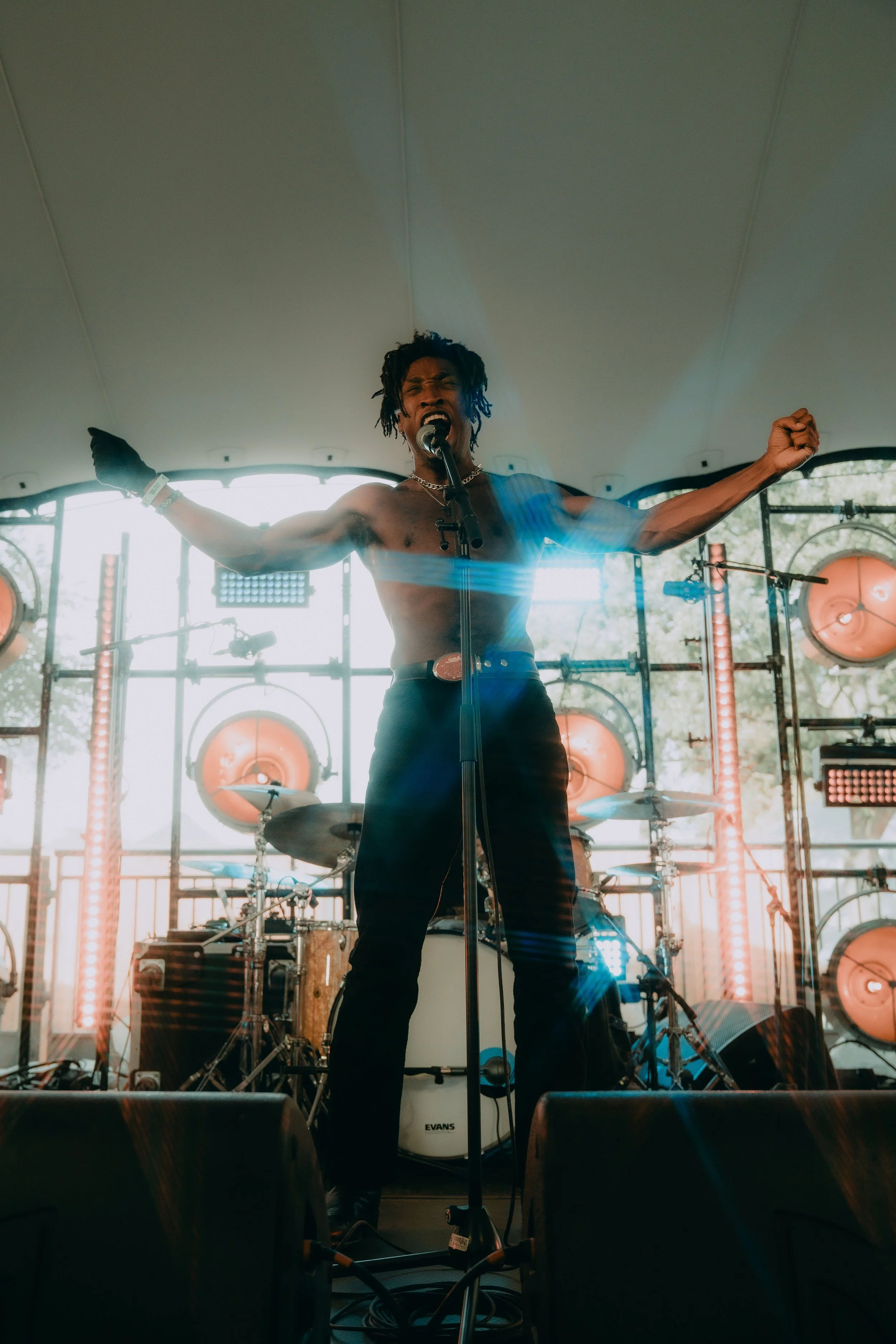
Photo credit: Christina Demertzi
You’ve spoken about being a first-generation Haitian American and how your heritage has shaped the way you experience music and the world. As your audience continues to grow internationally, do you feel a responsibility to bring more of that part of yourself into the music, or is it something that naturally comes through without you having to consciously foreground it?
I think my Haitian heritage naturally comes through in my music. Much like being a Black American, it’s not something that needs to be overly explained. It’s simply part of my existence and my perspective. That said, I think further down the line I’ll make a more conscious effort to showcase that aspect of myself and bring greater light to the history and culture, partly as a way of understanding myself more deeply.
There’s a balance in your music between carefully constructed production and lyrics that can be incredibly exposed, particularly across “Sadly, I Still Love You” and “Eve”. What have you learned about yourself through becoming more comfortable putting those vulnerable parts of your inner life into songs?
I’ve learned that I’m far stronger than I initially thought. I’ve come out on the other side of the mountain. I may have a few bruises, but now I understand what it takes to embark on that journey again. It’ll be tough, but I know I’m built for it.
You’re a songwriter, producer and multi-instrumentalist, so you have a lot of control over how your music comes together. As you move into the next phase of your career, is there a part of your artistry, whether that’s production, live performance, songwriting or visual world-building, that you feel you really want to push further, or really change direction?
I want to focus on building out the live performance aspect of my career. Through that process, I’m hoping to develop a clearer understanding of how I want to shape my songs, production, and even my visuals. I feel like the live performance is the core of all of that. There’s something invaluable about seeing how people respond to different dynamics, whether that’s BPM, instrumental changes, space, or intensity, and using those reactions to inform the way I create moving forward.