
Ben Marc - Interview
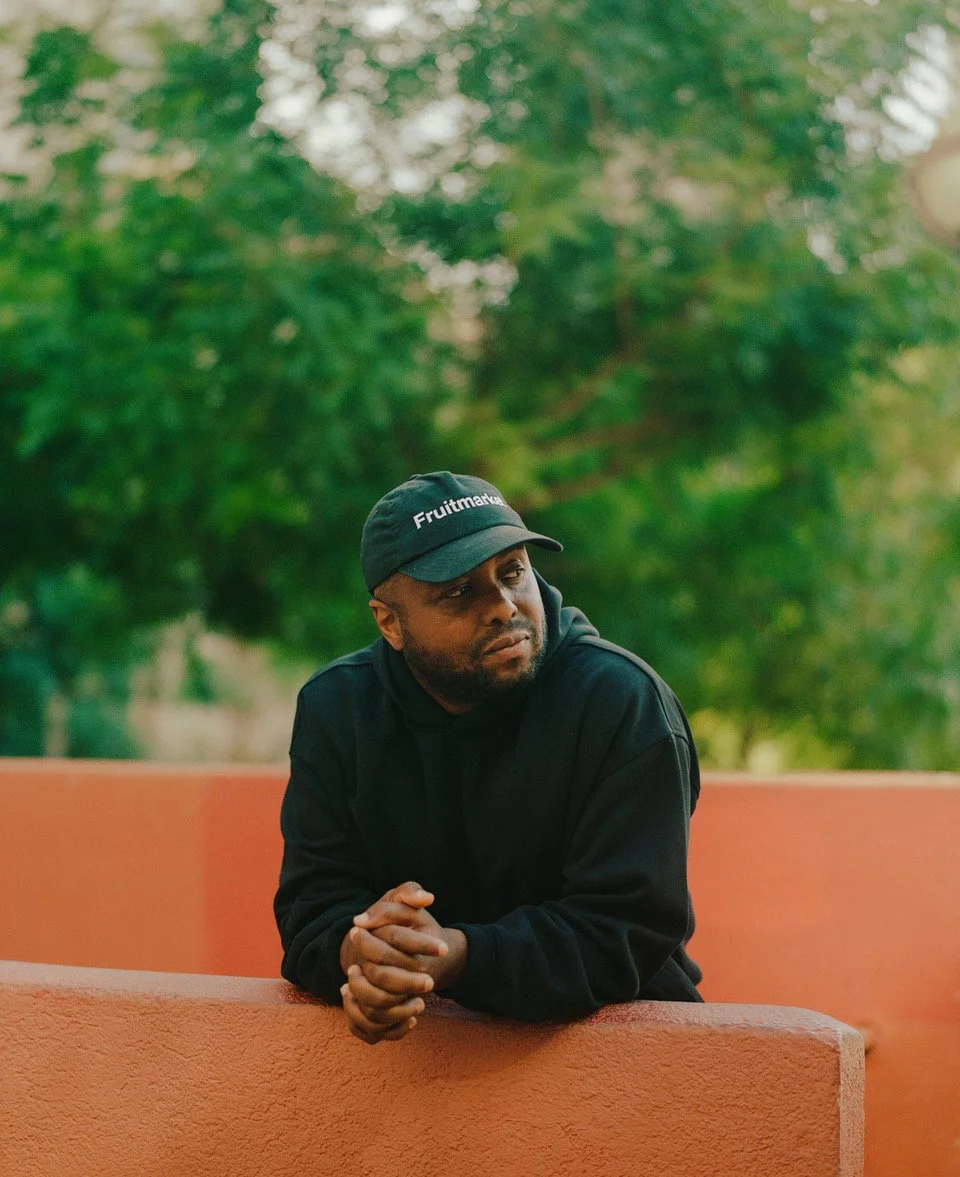
Picture Credit: Harley Astorga
Ben Marc is a musical nomad, a genre unto himself, and an artist who thrives in the intersections of jazz, hip-hop, soul, and electronica. His new project, Who Cares Wins, unfolds in three stages before the full 14-track LP drops in December via Innovative Leisure, reflecting the album’s layered approach to sound, collaboration, and emotion.
Across the record, Marc draws on diverse influences, from ’70s jazz-infused TV scores to Afrofuturist pioneers and UK grime, while exploring themes of unity, care, and human connection. In this interview, he opens up about his creative process, the circular rhythms of his single “Love,” the philosophy behind his playful title, and how the pandemic shaped a project that’s as thoughtful as it is adventurous.
‘Who Cares Wins’ unfolds in three stages before the full LP drops in December. What inspired you to release the project this way rather than all at once?
I hope that releasing Who Cares Wins in three stages will entice listeners into short, 15-minute sound bites with each part. I also hope it draws attention to the full body of work, which captures different moods, collaborations, and sound palettes.
The title Who Cares Wins is a playful twist on the SAS motto ‘Who Dares Wins.’ What does that phrase mean to you personally, and how does it reflect your mindset as an artist right now?
Yes, it’s a twist on the UK Special Air Service motto, which is about keeping our country safe. But personally, it touches on many topics: unity, care, politics, and survival, all of which have a huge influence on me as an artist.
You’ve mentioned that your latest single, ‘Love,’ embodies “unity” and a kind of circular movement. Can you talk about how you translate that emotional idea into the sound and structure of the track?
‘Love’ started with a guitar loop from the MPC, which became the main body of the song. I added a simple, repeated two-chord progression and let the idea breathe while I went about my daily chores—walking in my local park, noticing dog walkers, runners, and coffee drinkers. People recognized each other but rarely stopped to talk.
During these walks, the word “love” came through the melody I was humming. When I returned home, I asked my wife to sing the hook down the phone, and that’s what you hear on the track. There’s also a bridge section, which creates a place to go and come back, helping the circular movement come alive.
You mention the ‘70s detective show Columbo as a reference. What about those jazz-infused soundtracks grabbed your attention, and how did they find their way into this record?
I love the show. Peter Falk was an amazing actor and a talented artist—his drawings are incredible. In the ’70s and ’80s, producers allowed jazz composers like Oliver Nelson to score episodes, as well as large film composers I admire.
What stands out to me is the use of real, live instruments to create mood, atmosphere, and texture—different from modern electronic music, which I also love. My first draft of Who Cares Wins included string arrangements with the hope of blending them into a modern sound. Eventually, most were stripped back or chopped up, but you can hear them in tracks like Get You Gone and Trading Places.
Collaboration has always been central to your work, and this project features artists like Arrested Development’s Speech and Kay Young. What do you look for in a collaborator, and how do you keep your own voice distinct within those partnerships?
As a creative, I enjoy the process. When I send an idea to an artist and it resonates with them as much as it did with me, that’s a great starting point. They trust my unique sound palette alongside their artistry.
Working with great artists, each one asks about the reasoning behind a musical idea before writing. I see it as a joint effort rather than a compromise, and we always reach a final place—whether over Zoom or a long coffee break.
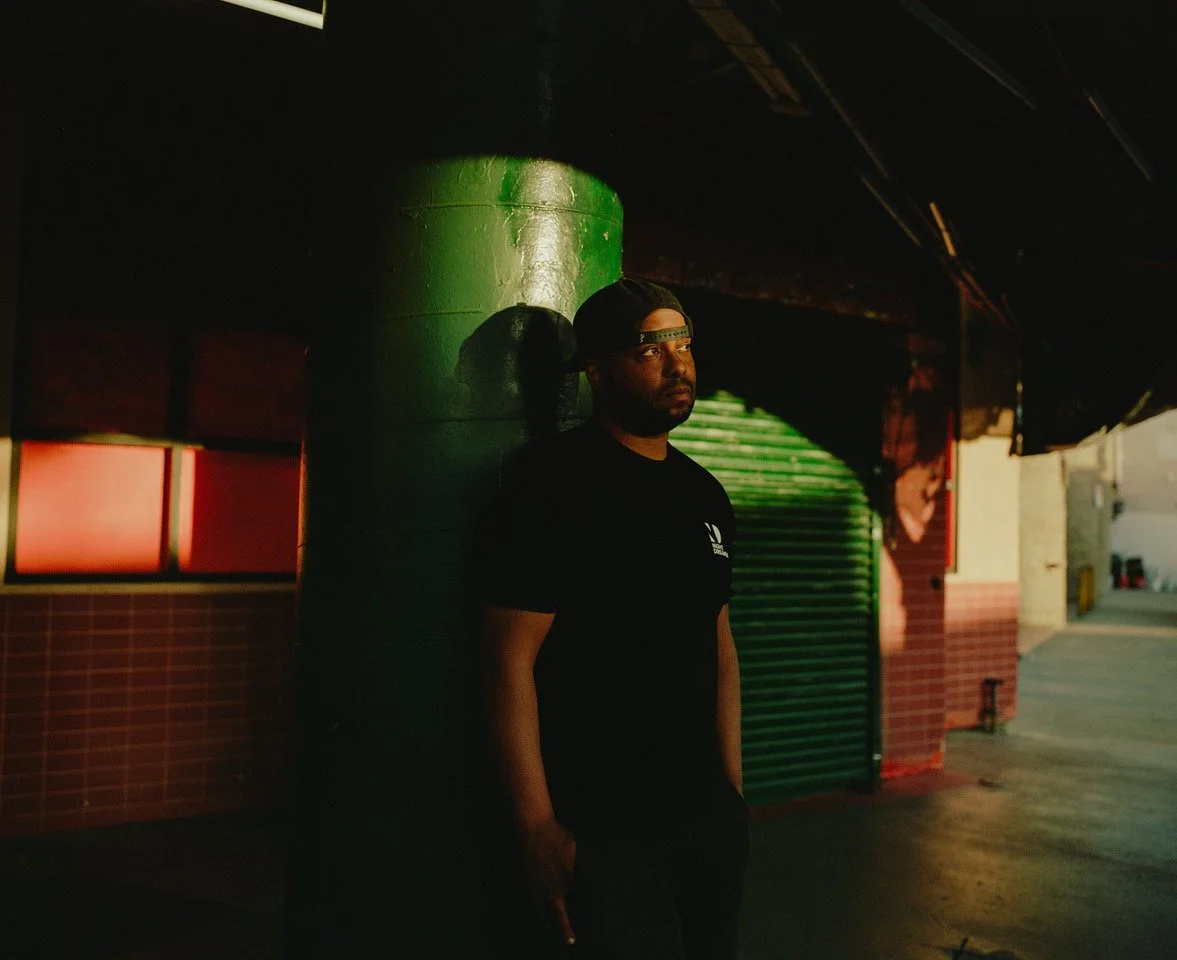
Picture Credit: Harley Astorga
You’ve worked with musical icons from Mulatu Astatke to Jonny Greenwood and Dizzee Rascal. How have those experiences shaped your sense of what’s possible in your own music?
Collaboration is key, and it inspires others in turn. Over the years, I’ve learned something different from each artist. Everyone navigates the music business differently—what works for one person might not work for you.
Whether working at Abbey Road daily, having a studio overlooking a lake, or playing for thousands, all these experiences seep into my personality and influence my creativity every day.
The pandemic period seems to have been pivotal for you—both personally and creatively. How did volunteering with the NHS influence the themes or spirit of Who Cares Wins?
That period was powerful for all of us and is why the album carries this title. If you care, you win—or survive. That principle applies broadly: to music, human connection, food, business, health, and so much more.
Your music bridges so many worlds—jazz, hip-hop, soul, electronica. Do you see Who Cares Wins as the culmination of those influences, or the start of a new chapter?
It crosses many worlds, but the world itself gives you the tools and opportunities to embrace everything within reason. When one chapter closes, another opens. I feel like I’m just getting started.
You’ve said, “It’s a genre—it’s just me.” That’s a powerful statement. What does that freedom look like in the studio when you’re creating?
There’s a phrase by Charlie Parker: “Learn everything, then throw it away by the time you get on the bandstand.” We’re always learning and improving. My full range of experiences—from classical music at Trinity College, jazz education with Tomorrow’s Warriors, touring internationally, and growing up in Birmingham with hip-hop and R&B—lets me draw on everything to create my own sound.
Finally, as you prepare to release the full 14-track LP, what do you hope listeners take away from Who Cares Winsonce they’ve heard it in its entirety?
I’d love for everyone to enjoy every track, though I know that’s unlikely. More importantly, I hope listeners approach it with an open, genre-crossing mindset—celebrating the tracks they enjoy and keeping human creativity alive.
Interview: Billy Burrell